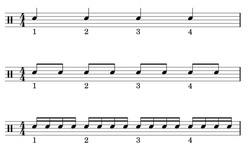
Rhythmic Pattern Examples 2 4 3 4 4 4

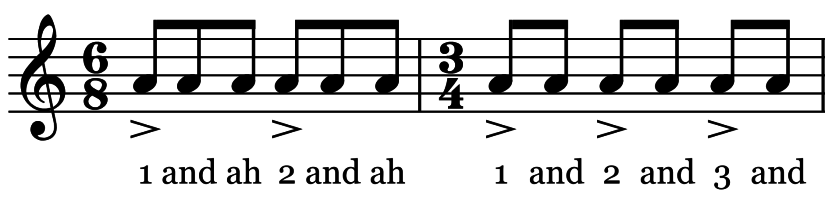
The Difference Between 3 4 6 8 Time With Examples School Of Composition
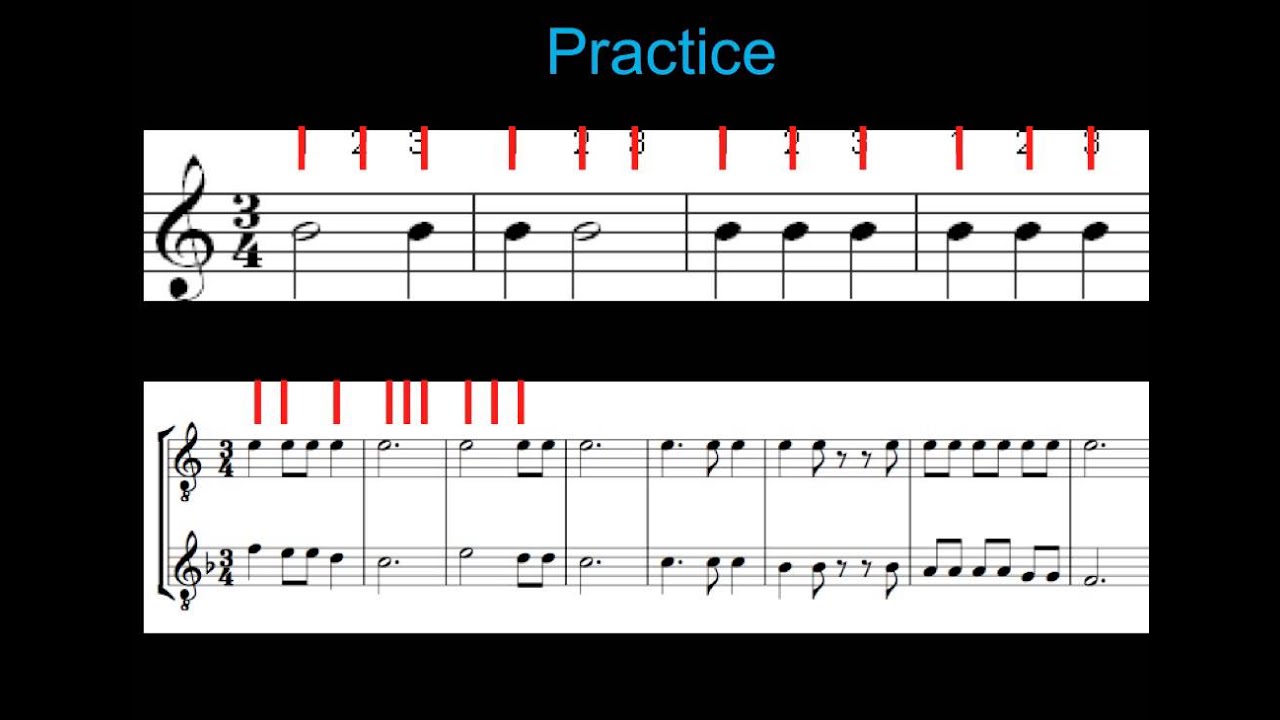
Rhythm Practice 3 4 Time Signature Youtube
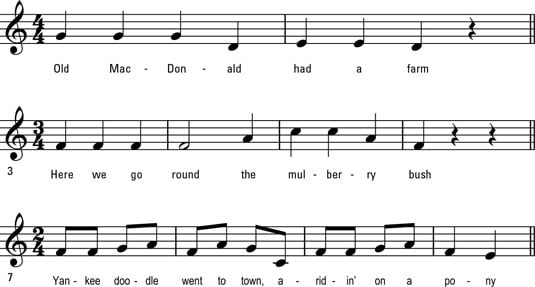
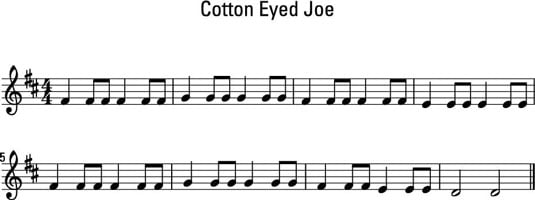
Common Music Time Signatures Dummies

Jazclass Rhythm Class 3 Basic Rhythm Segments
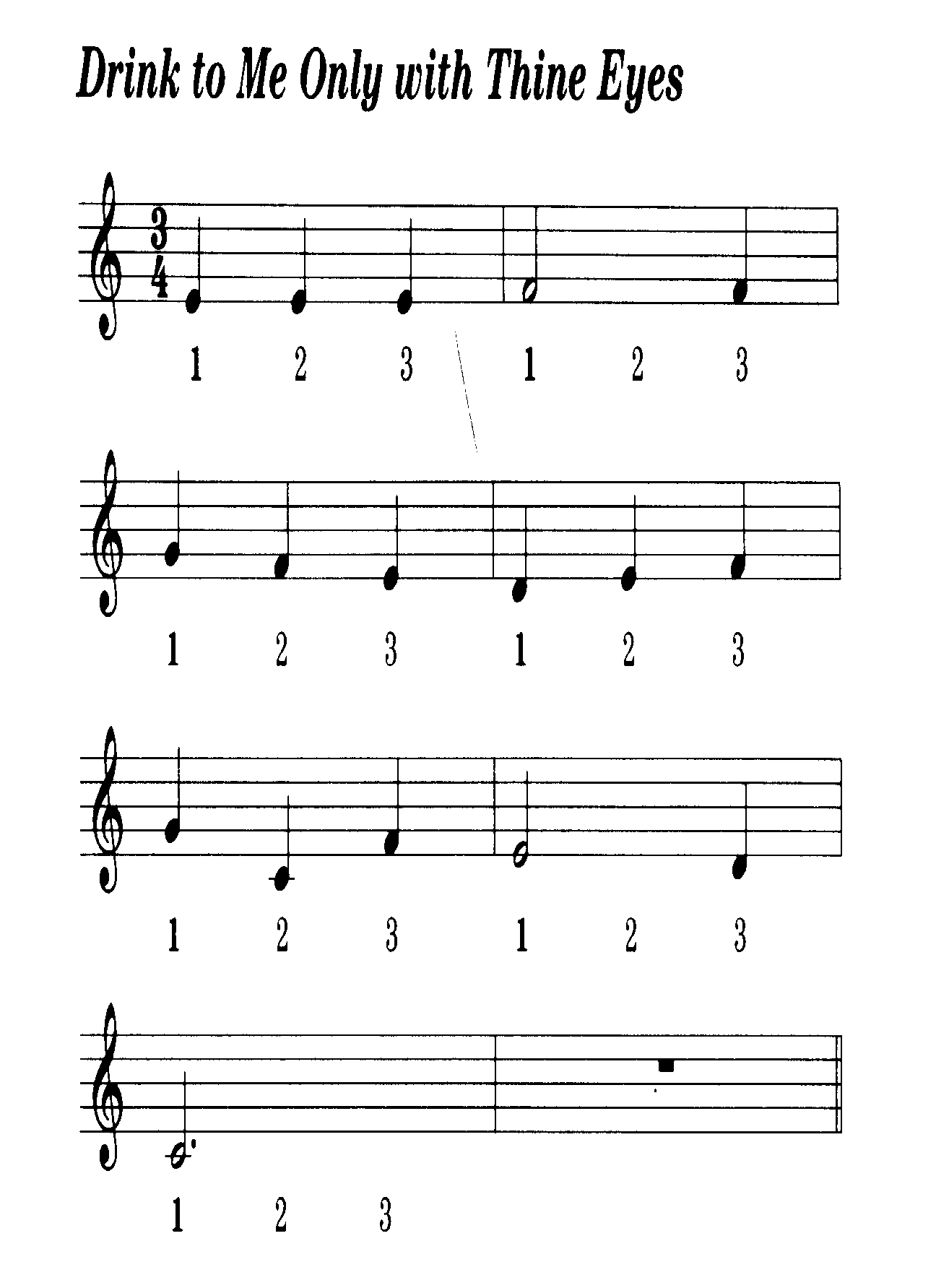
Untitled

The Difference Between 3 4 6 8 Time With Examples School Of Composition
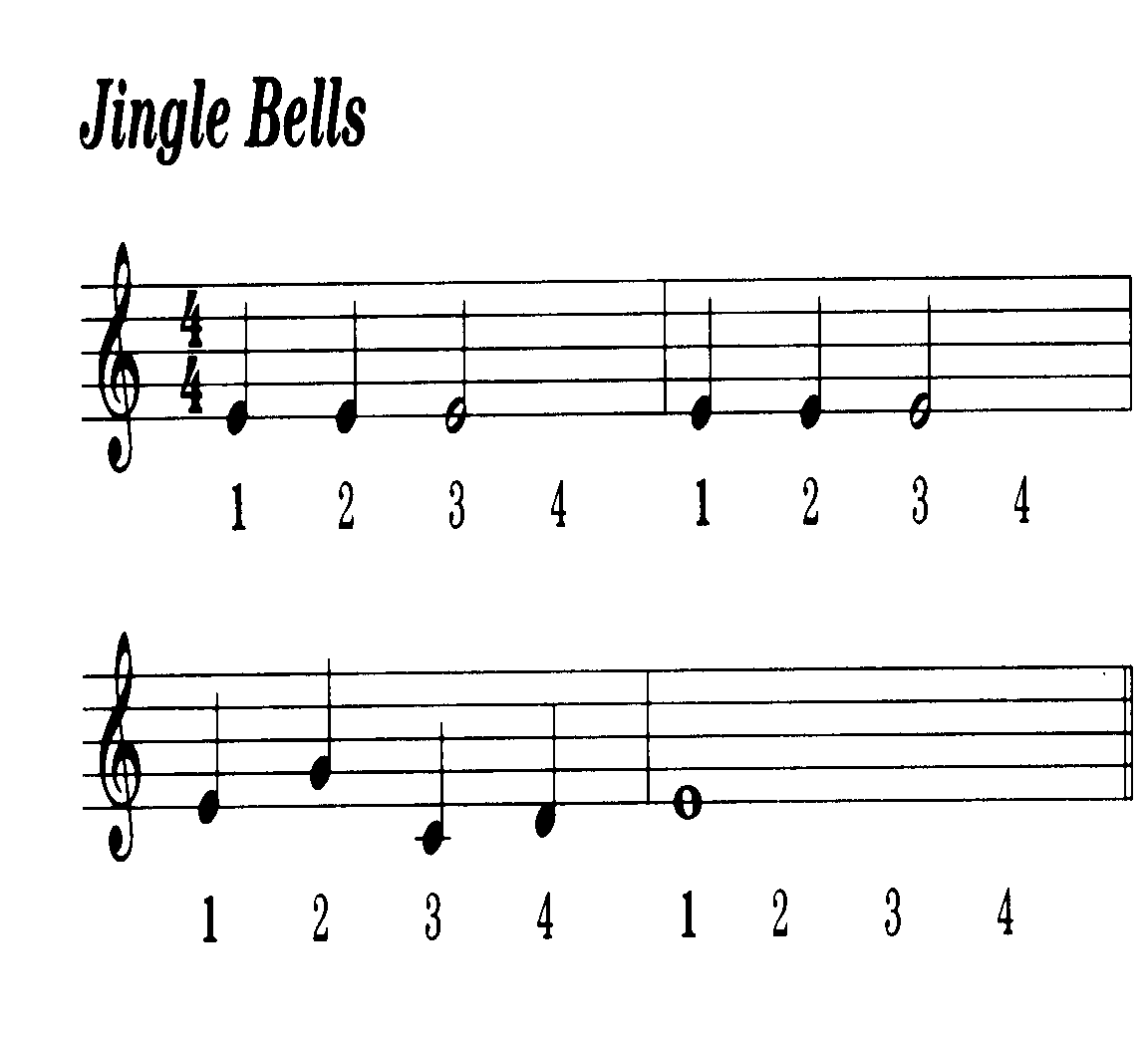
Reading the time signatures.
Rhythmic pattern examples 2 4 3 4 4 4. The teacher assigns three different groups their own rhythm patterns and different sounds. To start with let s consider the different ways that we can split a bar of 2 4 into notes using only minims crotchets and quavers 1 2 1 4 and 1 8 notes. A top number and a bottom number. The bottom number of the time signature indicates a certain kind of note used to count.
2 4 duple time n polkas and marches are examples of 2 4. We also cover what simple duple triple and quadruple meter means in general and preface variation. But music is complex. Student groups play them individually and together as a class.
We practice rhythm in the simple meters 2 4 3 4 and 4 4. This mainly involves indicating when a note happens and how long it lasts and recognizing when you hear a common rhythm. The tempo of a composition in 3 4 time determines where the accents fall. In fact you find 2 4 meter in most famous marches.
2 4 time 3 4 time 4 4 time 3 8 time 9 8 time 4 2 time 3 1 time and so on. 4 4 many songs lullabies nursery rhymes. The rhythm is similar to the rhythm of your feet when you march. Left right left right 1 2 1 2.
Students will hear examples of syncopated rhythm. This is an interesting little exercise for building rhythm patterns. What is common for 4 4 is to divide each beat into two eighth notes. Music written in 3 4 time is performed in a variety of different tempos.
This page uses american music terms. The number of notes allowed in each measure is determined by the time signature as you saw in the time signature examples above each time signature has two numbers. To keep things simple we ll ignore smaller divisions of notes dots ties etc. When a rhythm in simple time has an odd number of beats such as 5 4.
Not to worry though because two beats per measure is perfectly acceptable. Chop a 4 4 meter in half and you re left with only two quarter note beats per measure. The most frequently used rhythms in simple time are 2 4 3 4 and 4 4. For example a quick 3 4 has a strong first beat and two weak second beats.
Rhythm occurs within the framework of meter which is simply. The 2 4 3 4 4 4 5 4 7 4 and 2 2 signatures are simple time signatures because each beat can be broken naturally in two equal parts and the unnatural thing would be to break each beat into three equal parts. 3 4 waltzes and minuets are examples of 3 4. A slower 3 4 time has as three equal beats.

1d Metric Examples

Jazclass Rhythm Class 3 Basic Rhythm Segments
Untitled
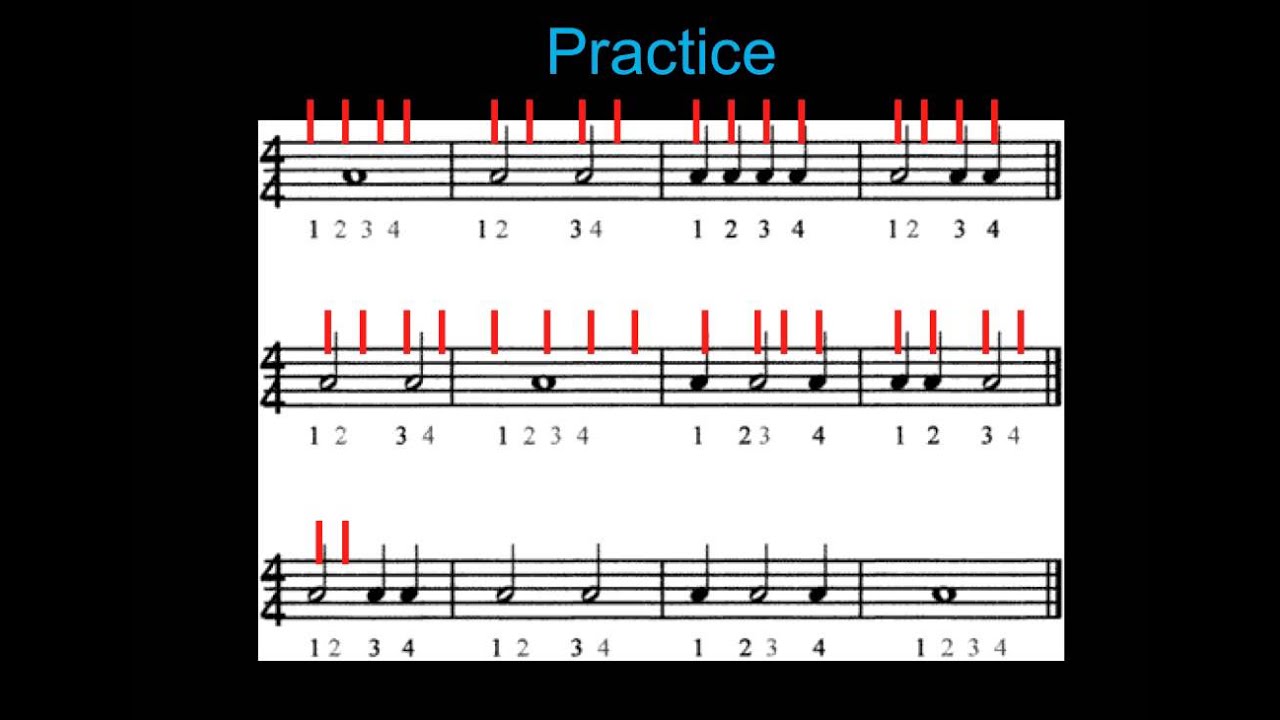
Rhythm Practice 4 4 Time Signature Youtube
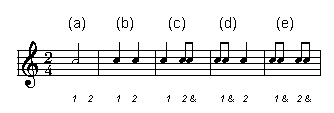
2 4 Bar Rhythm Patterns

The Difference Between 3 4 6 8 Time With Examples School Of Composition

1d Metric Examples
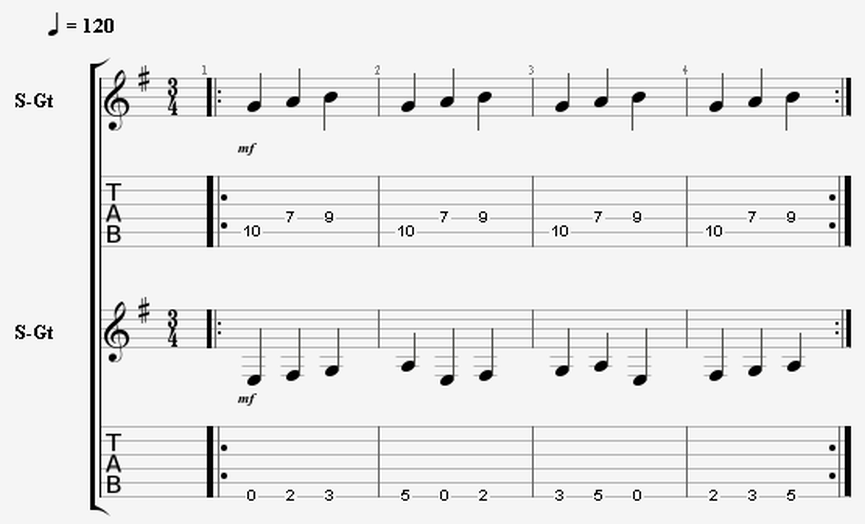
How To Play Polymeters On Guitar Mile High Shred

Making Sense Of 5 4 Time Signatures Music Practice Theory Stack Exchange

More Open Strings Rhythms Time Signatures Sight Reading For Guitar
Learn To Hear The 6 8 Time Signature Musical U
Understanding Time Signature To Play The Fiddle Dummies
Time Signature Musical Dictionary